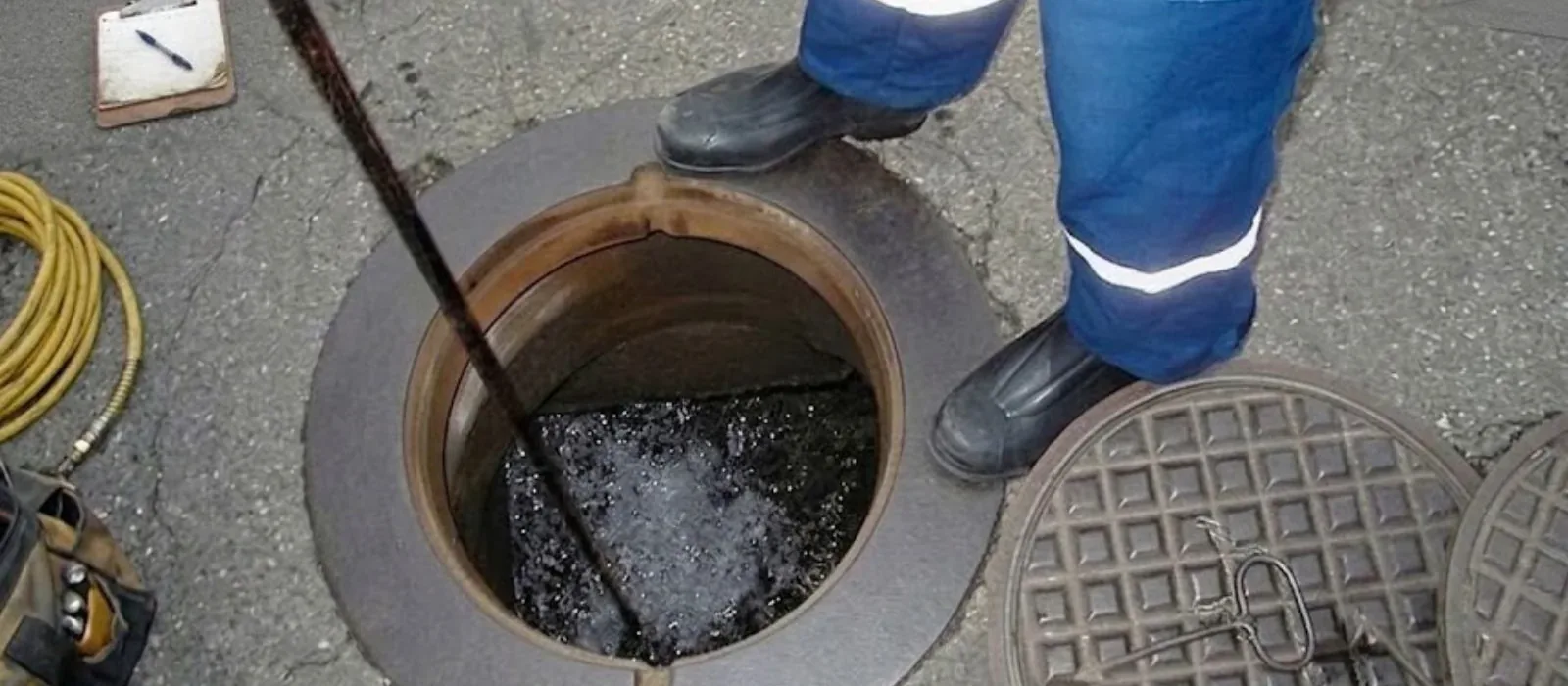
A clogged yard drain or catch basin is usually packed with leaves, silt and mulch. Lift the grate, scoop out debris with a trowel or gloved hand, and flush it with a hose. If the water still stands, the pipe leaving the basin is blocked or crushed.
A drain in the street is a city inlet, not your drain. Call the city for those. Never connect a yard drain to the sanitary sewer, and ask a plumber before you pour anything into the pipe.
Is It Your Drain or the City Inlet?
Start by working out who owns what. A drain in your yard, driveway apron, window well or basement stair belongs to you. A grated opening at the curb or in the roadway is part of the municipal stormwater system.
The City of Linden says it operates and maintains its own stormwater collection system under state rules and an NJPDES permit. If a street inlet is plugged or the street is ponding, report it to the city rather than reaching into it. You can start with City Hall at (908) 474-8493 and ask for the department that handles stormwater.
If the clog sits in your own pipe, that is a private drain and the repair is yours.
How to Clear Your Own Yard Drain or Catch Basin
This is the order that works on most basins. It uses ordinary tools, and none of it involves chemicals.
- Wait for a dry window. Do not work in an open basin during a storm. Water moving fast is a slip hazard and you cannot tell how deep it is.
- Lift the grate. Pry it with a flat screwdriver. Wear gloves and sturdy boots. Take a photo first so you know how it sat.
- Scoop out the debris. Use a trowel, small shovel or gloved hands to remove leaves, mulch, sand and silt. Bag it. Do not wash it into the pipe.
- Check the outlet. Look for the pipe opening at the bottom. A broken pipe, roots or a bulge are signs of damage past the basin.
- Flush with a hose. Run water into the basin and watch how fast it drains. A steady, quick flow is a good sign.
- Replace the grate. Make sure it sits flat and is not cracked.
If the basin drains slowly after cleaning, the pipe leaving it is likely partly blocked. A plumber can use a camera to see where.
Never Connect It to the Sanitary Sewer
Yard and roof water belongs in the storm system or on the ground, not in the sewer that carries waste to the treatment plant. The Linden Roselle Sewerage Authority treats wastewater for Linden and Roselle, and extra rain flow adds load to its lines.
We do not know from public records where any one yard drain ends in Linden, so do not assume. If you see a drain pipe running into a floor drain or a sewer cleanout, stop and ask the Linden Construction Code Department or the Authority before you change it.
Tying a yard drain to a sanitary line can push sewage back into basements in a heavy storm. It is a mistake, not a shortcut.
What Can Clog a Yard Drain and What It Takes
Different clogs call for different fixes. This table matches the common causes to the right step.
| Cause | Sign | Fix |
|---|---|---|
| Leaves and silt in the basin. | Water stands above the grate. | Hand cleaning and a hose flush. |
| Roots in the pipe. | Slow every time, worse each season. | Cable or hydro jetting and camera check. |
| Collapsed or crushed pipe. | Drains fine then stops, soil sinks near pipe. | Camera inspection and repair. |
| Sediment fill past the basin. | Basin cleans but refills fast. | Jetting to clear the line. |
| Pipe sloping the wrong way. | Water sits in a low spot of the pipe. | Excavation and regrading. |