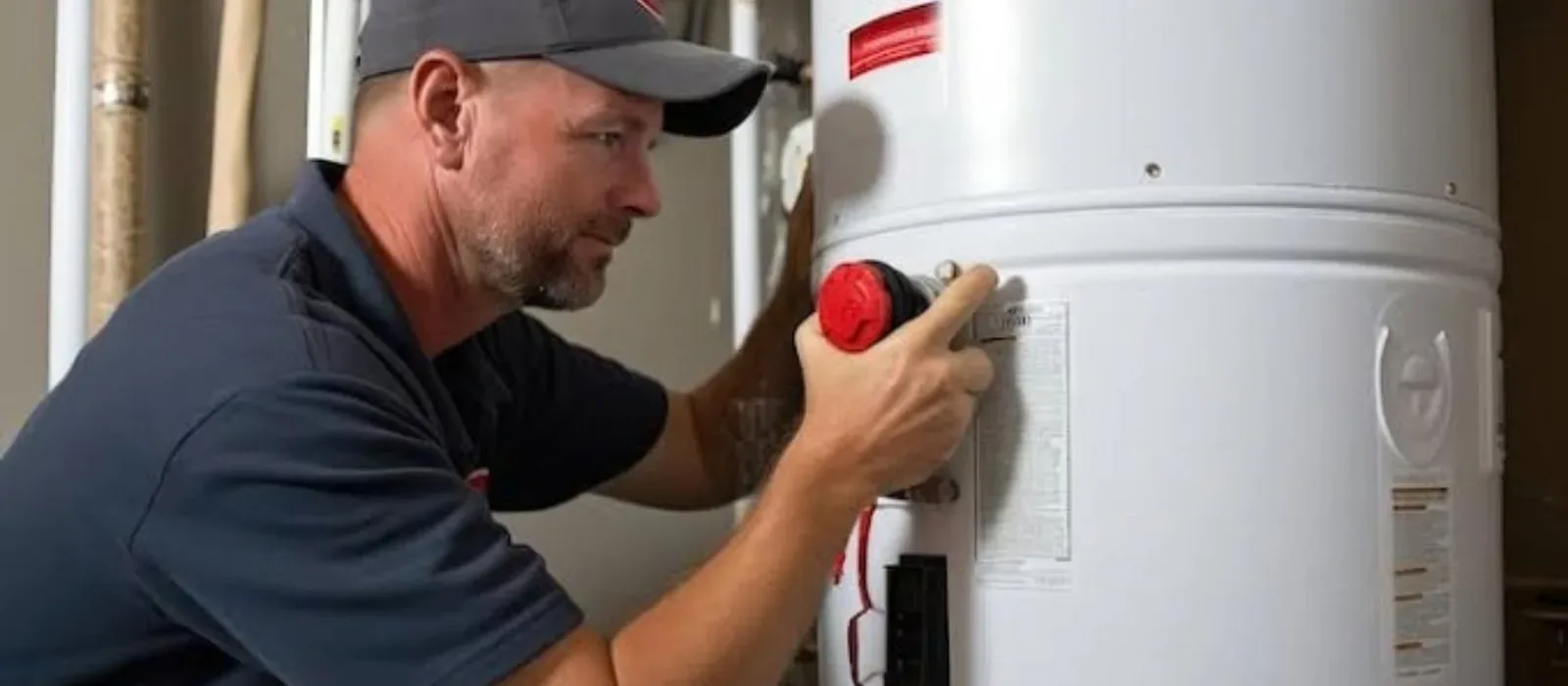
The cost of replacing a gas water heater depends on the unit you choose, how it vents, what the gas piping and shutoff look like, how hard the basement is to work in, and what the code office needs. Two similar tanks can have very different totals.
A like-for-like swap is the simplest. A change in size, venting or fuel line makes it a bigger job. We do not post prices because the real number depends on your house, so call and we will give you a clear price before work starts.
Why one number never fits every house
Online cost guides give one wide range, and that range hides everything that matters. The tank itself is only part of the work. The rest is venting, gas connection, water connections, disposal of the old unit, and the permit steps.
Below are the factors in the order they usually matter. Go through them for your own basement and you will know roughly which side of the range you are on before anyone arrives.
The factors that move the total
Each of these can raise or lower the job. None of them is padding.
- Tank capacity. A larger tank costs more and weighs more, which affects carrying it down stairs. Matching your current capacity also keeps you inside the minor work rule discussed below.
- Venting type. A standard atmospheric unit uses the existing flue. Power vent and direct vent models need electricity and a different vent path, which adds parts and labor.
- Condition of the flue. If the chimney liner is rusted, undersized or poorly pitched, it may need correction before a new heater can be connected safely.
- Gas line and shutoff. A missing shutoff, corroded fitting or undersized line adds work. We check the gas side because a bad connection is a safety issue.
- Water-side parts. Old shutoff valves, flex connectors, a failed expansion tank or a missing drain pan are often replaced at the same visit.
- Access. Tight stairs, low ceilings, an attic location or a unit behind finished walls all add time.
- Efficiency level. Higher efficiency models cost more up front and may need condensate drainage or extra venting.
- Haul-away and cleanup. Removing the old tank and any sediment spill is part of the work.
Repair or replace: how the decision tends to go
Replacement is not always the answer. This table shows how most decisions land.
| Situation | Usually points to | Why |
|---|---|---|
| Pilot or thermostat control failing, tank dry and sound. | Repair | The tank is intact and the part is a small piece of the cost. |
| Water at the base of the tank. | Replace | A leaking tank shell cannot be patched safely. |
| Rusty hot water from the tank. | Often replace | Interior corrosion may be advanced, though a failing anode or sediment can mimic it. |
| Loud rumbling and slow recovery. | Flush first, then judge. | Sediment can be cleared if the tank is otherwise sound. |
| Unit is well past its expected life. | Replace | Parts for old models cost more than they buy. |
The like-capacity rule and the permit
NJ Department of Community Affairs guidance lists replacing an existing water heater with a new one of like capacity as minor work. Minor work still needs a construction permit, but it lets work begin before the permit is issued, as long as the local code office is notified first and the application follows within 5 business days.
A larger or different unit may fall outside that wording. Whether your specific job counts is a question for the Linden Construction Code Department, and we recommend a quick call before any water heater work starts.